
The allure of casino games
Casino games have a unique ability to draw players in, combining the thrill of uncertainty with the potential for significant rewards. This allure is deeply rooted in psychological factors that influence decision-making and behavior. In the realm of gambling, the excitement generated by the possibility of winning attracts both seasoned gamblers and newcomers alike, creating an environment rich with emotions. Players are often motivated by the promise of a euphoric experience, which can lead to a compelling desire to engage with various games, including online casinos not on gamstop.

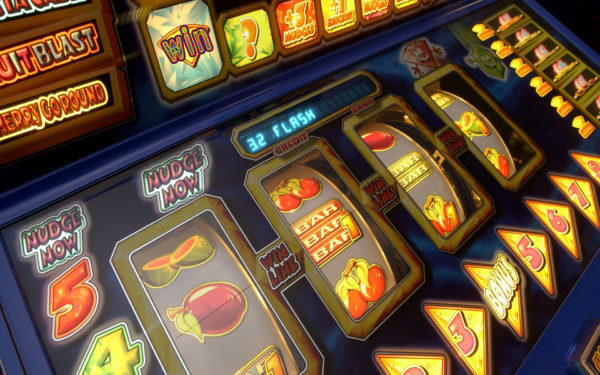
The ambiance of casinos, filled with vibrant lights, sounds, and the social interaction among players, further enhances this allure. The environment creates a sensory overload that can heighten arousal and anticipation. This form of stimulation plays a crucial role in how players choose games, often gravitating towards those that promise the most excitement or allow for social interactions, such as table games.
Player behavior is significantly influenced by a range of psychological factors. One prominent factor is the concept of risk and reward. Many players are attracted to games that offer a chance for high stakes and quick returns, such as slot machines or poker. The thrill of potentially winning a large amount of money quickly can overshadow the rational calculations of risk involved. The psychology of “loss aversion” also comes into play; players often continue to play in hopes of recovering losses, which can lead to compulsive behavior.
Social influences are another critical element that shapes game choices. Many players may select games based on friends’ recommendations or the popularity of certain games among their peers. This social proof can create a sense of belonging and community, making it easier for players to immerse themselves in the gambling experience. The combination of psychological thrill and social interaction makes certain games more appealing than others, thereby influencing player behavior significantly.
Personal preferences also play a substantial role in how players engage with casino games. Factors such as age, gender, and past experiences can heavily influence game selection. For instance, younger players may gravitate towards fast-paced games like slots and electronic gaming machines, while older players often prefer traditional table games such as blackjack or roulette. Understanding these preferences can help casinos tailor their offerings to better attract and retain different demographic groups.
Furthermore, personalization in gaming experiences, such as customizable avatars or the ability to influence gameplay, can enhance player satisfaction. When players feel a sense of ownership or connection to a game, they are more likely to engage with it repeatedly. Casinos that recognize and implement these personalized features can create a more compelling environment that nurtures player loyalty.
Emotional connections significantly influence player behavior within a casino setting. Many players associate gambling with positive emotions, such as excitement, joy, and even nostalgia. These emotional ties can drive players back to specific games where they previously enjoyed a memorable experience. The emotional highs associated with winning can also create a powerful feedback loop, encouraging players to seek those feelings again, often leading them to revisit the same types of games or gambling experiences.
Conversely, negative emotions, such as stress or anxiety, can push players towards games as a form of escapism. The casino environment provides a distraction from everyday life, allowing players to temporarily forget their worries. Understanding the interplay of these emotions is crucial for casinos in maintaining player engagement and crafting experiences that resonate deeply on a psychological level.
While the excitement of casino games can be enticing, ensuring user safety and promoting responsible gaming is paramount. Many casinos implement measures to protect players from potential risks associated with gambling. This includes providing resources for responsible gambling, such as self-exclusion programs and information on seeking help for gambling-related issues. Creating a safe environment not only fosters trust but also encourages positive player behavior.
Education about the risks of gambling, along with access to support resources, is essential in promoting a healthy gaming experience. By prioritizing user safety, casinos can cultivate a more sustainable and enjoyable atmosphere for their players, ultimately leading to a more positive relationship with gaming. This commitment to security and responsible playing benefits both players and the gambling industry as a whole, creating an engaging experience that focuses on fun and fairness.